
Loading...
Disable Preloader


Dr. Dhanshree Salunkhe
Book Appointment
Vaginal Hysterectomy
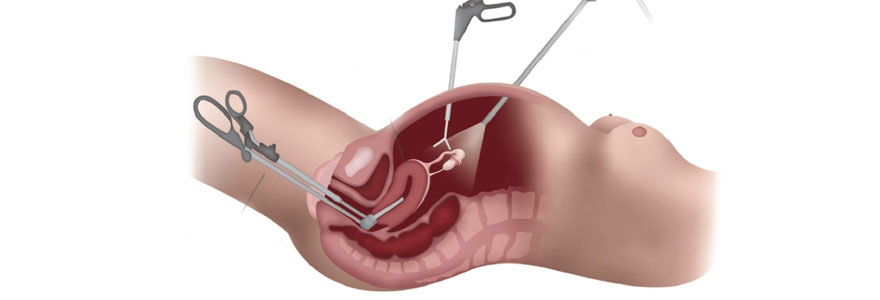
A vaginal hysterectomy is a surgical procedure in which the uterus is removed through the vaginal canal. It is a common approach for performing a hysterectomy, which is the removal of the uterus. This procedure is typically chosen for various gynecological conditions, such as uterine fibroids, endometriosis, adenomyosis, pelvic organ prolapse, abnormal uterine bleeding, and certain cases of uterine cancer.
Advantages of Vaginal Hysterectomy:
- Minimally Invasive: Vaginal hysterectomy is a minimally invasive procedure that results in no abdominal incisions, smaller scars, less post-operative pain, and quicker recovery compared to open abdominal surgery.
- Shorter Hospital Stay: Patients typically spend a shorter time in the hospital compared to abdominal hysterectomy, often with a same-day discharge or a brief hospitalization period.
- Faster Recovery: Recovery times are generally shorter, allowing patients to return to their normal activities more quickly.
- Low Risk of Infection: Because there are no abdominal incisions, there is a lower risk of infection.
- Uterine Preservation: The procedure preserves the ovaries and fallopian tubes, which are essential for hormonal function and fertility.
- Cosmetic Benefits: Smaller scars and less visible incisions contribute to improved aesthetics and patient satisfaction.