
Loading...
Disable Preloader


Dr. Dhanshree Salunkhe
Book Appointment
Caesaren delivery
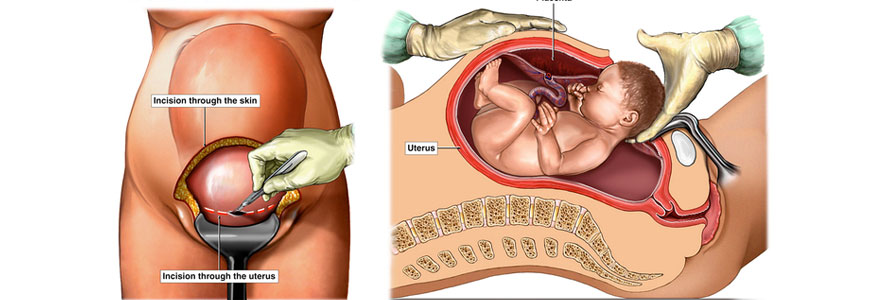
A Caesarean delivery, commonly known as a C-section, is a surgical procedure in which a baby is delivered through an incision in the mother's abdomen and uterus. While it's typically performed when a vaginal delivery is not considered safe or feasible, there are situations where a planned C-section may be recommended.
Advantages of Caesarean Delivery:
- Emergency Life-Saving Option: In cases of emergencies, such as fetal distress, placenta previa, or a prolapsed umbilical cord, a C-section can be a life-saving option for both the mother and the baby.
- Controlled Timing: A planned C-section allows for the precise scheduling of the birth, which can be beneficial in certain situations, such as multiple pregnancies or maternal health concerns.
- Reduced Risk of Birth Trauma: C-sections can reduce the risk of birth trauma or injury to the baby that can occur during a difficult vaginal delivery.
- Reduced Risk of Pelvic Floor Issues: C-sections may reduce the risk of certain long-term pelvic floor issues, such as urinary incontinence or pelvic organ prolapse, which can sometimes occur after vaginal delivery.
- Prevention of Birth Injuries: In cases where the baby is in an abnormal position or has a large size, C-section can prevent birth injuries.
- Avoidance of Labor Pain: Some women may prefer a C-section to avoid the pain and unpredictability of labor and delivery.