
Loading...
Disable Preloader


Dr. Dhanshree Salunkhe
Book Appointment
Diagnostic hysterolaparoscopy
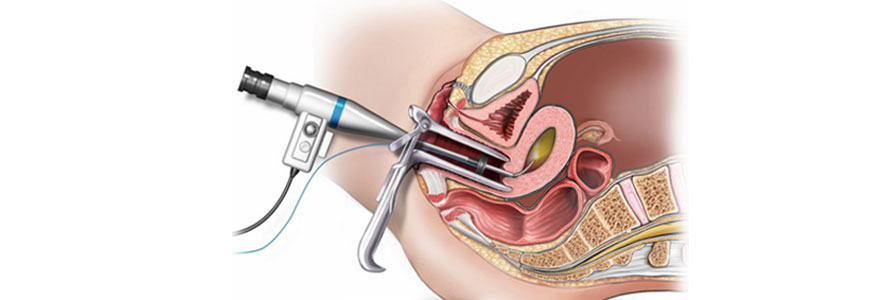
Diagnostic hysterolaparoscopy, also known as hysteroscopy and laparoscopy, is a minimally invasive surgical procedure used to examine and evaluate the female reproductive organs, including the uterus (hysteroscopy) and the pelvis (laparoscopy). It is commonly performed to diagnose and investigate various gynecological conditions and infertility issues.
Benefits and Considerations:
- Minimally Invasive: Hysterolaparoscopy is minimally invasive, resulting in smaller incisions, less scarring, and faster recovery times compared to open surgery.
- Comprehensive Evaluation: It allows healthcare providers to assess both the uterine and pelvic structures, making it an effective tool for diagnosing a range of gynecological conditions.
- Treatment Option: When abnormalities are identified during the procedure, some can be treated immediately, such as removing polyps, fibroids, or adhesions.
- Infertility Evaluation: Hysterolaparoscopy is commonly used in infertility workups to identify and address factors that may be preventing conception.
- Potential Risks: Like all surgical procedures, diagnostic hysterolaparoscopy carries some risks, such as infection, bleeding, or injury to surrounding structures.
- Anesthesia: The procedure is typically performed under general anesthesia.
- Recovery: Most patients can return to their normal activities within a few days to a week after the procedure.
- Fertility Treatment: For individuals seeking fertility treatments, a clear diagnosis through diagnostic hysterolaparoscopy can guide subsequent interventions and improve the chances of successful pregnancy.